June 25, 2026
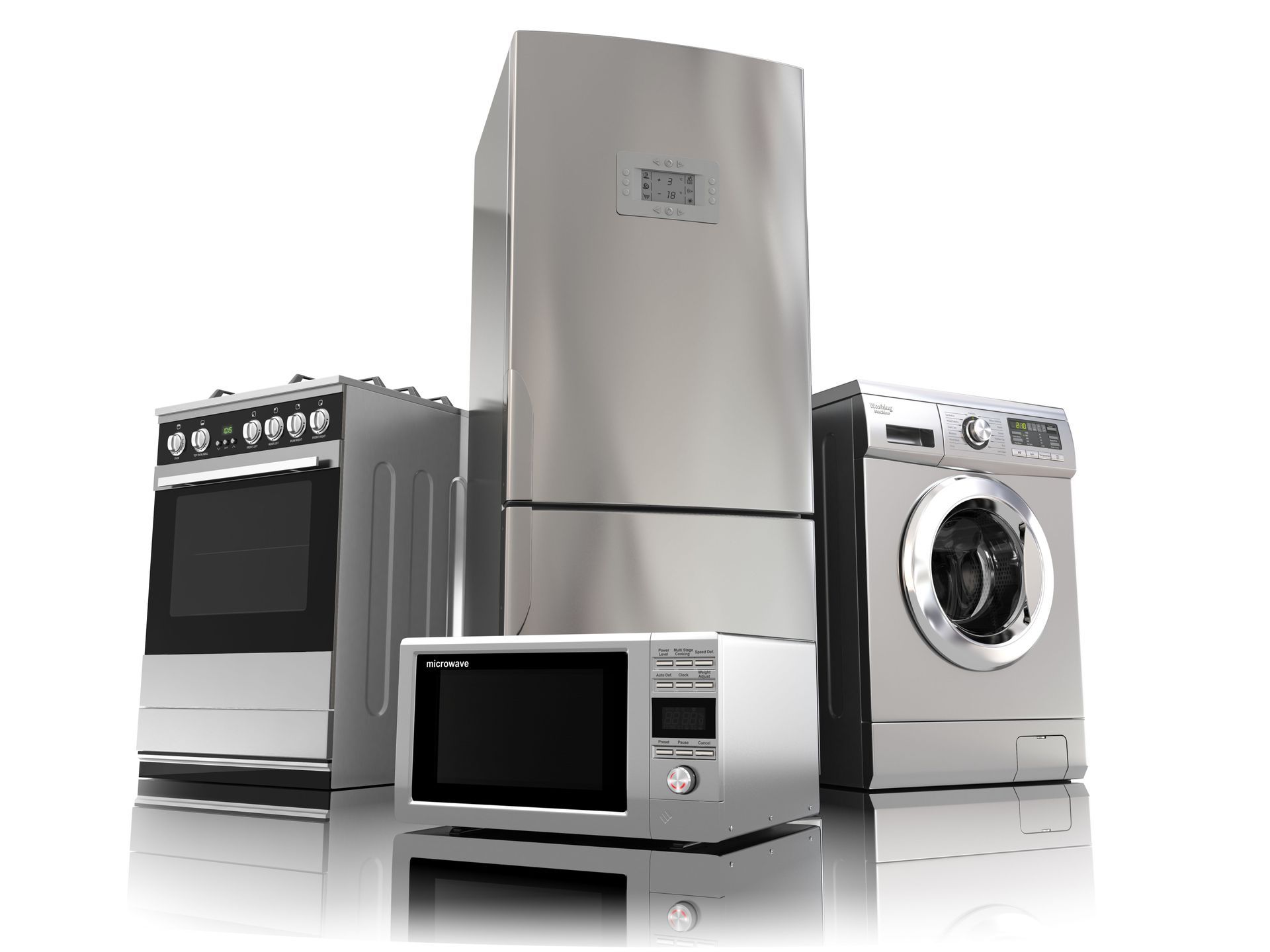
Major appliances shape the rhythm of daily life. Refrigerators preserve groceries, washers and dryers keep routines moving, ranges support family meals, and dishwashers make cleanup easier after long days. When one of these essentials needs to be replaced, the decision often comes down to cost, availability, reliability, and fit. Read here to learn why households are now looking beyond brand-new retail models because practical value matters just as much as a factory-fresh label.
Used appliances offer a realistic option for people who need dependable household equipment without taking on an oversized expense. The modern home relies on several large machines at once, and replacing even one can strain a budget. For families, renters, landlords, first-time homeowners, and people furnishing a new space, a lower purchase price can make the replacement process less stressful. The key is understanding what makes a pre-owned unit worth considering and what standards should be in place before it enters a home.
Affordability Matters in Everyday Household Planning
Appliance purchases are rarely small, casual expenses. A refrigerator, range, washer, dryer, microwave, or dishwasher can affect the entire household budget, especially when the need appears unexpectedly. A washing machine failure can interrupt laundry for a family within days, while a refrigerator issue can threaten groceries and meal planning immediately. Choosing a more affordable option allows households to restore function quickly while preserving money for other responsibilities.
Used appliances are especially practical because they can reduce the pressure to choose the cheapest new model simply because it fits the budget. A carefully selected pre-owned appliance may offer better features, stronger capacity, or a more suitable layout than an entry-level retail unit. For example, a household may prefer a larger refrigerator, a front-load washer, or a range with more cooking flexibility. When price is not the only obstacle, buyers can focus more closely on how the appliance will support everyday use.
Large Household Demand Makes Practical Options Important
In communities with a large number of households, access to major appliances is not a minor concern. According to the U.S. Census Bureau QuickFacts table for St. Louis city, Missouri, there were 144,891 households in 2020–2024, creating a large local need for major household items like refrigerators, washers, dryers, and other appliances. That level of demand shows why affordability, availability, and basic dependability matter for essential home equipment. People need practical ways to replace or upgrade appliances without waiting through long delays or overextending their finances.
Household needs also vary widely. One person may need a compact microwave for a small kitchen, while another may need a full-size washer and dryer set for a busy family. A landlord may need a dependable refrigerator for a rental property, while a homeowner may want a dishwasher that better suits an updated kitchen. Used appliances give buyers more flexibility to match real-life needs with available inventory, which can be especially helpful when timing and budget are both important.
Reliability Depends on the Selection Process
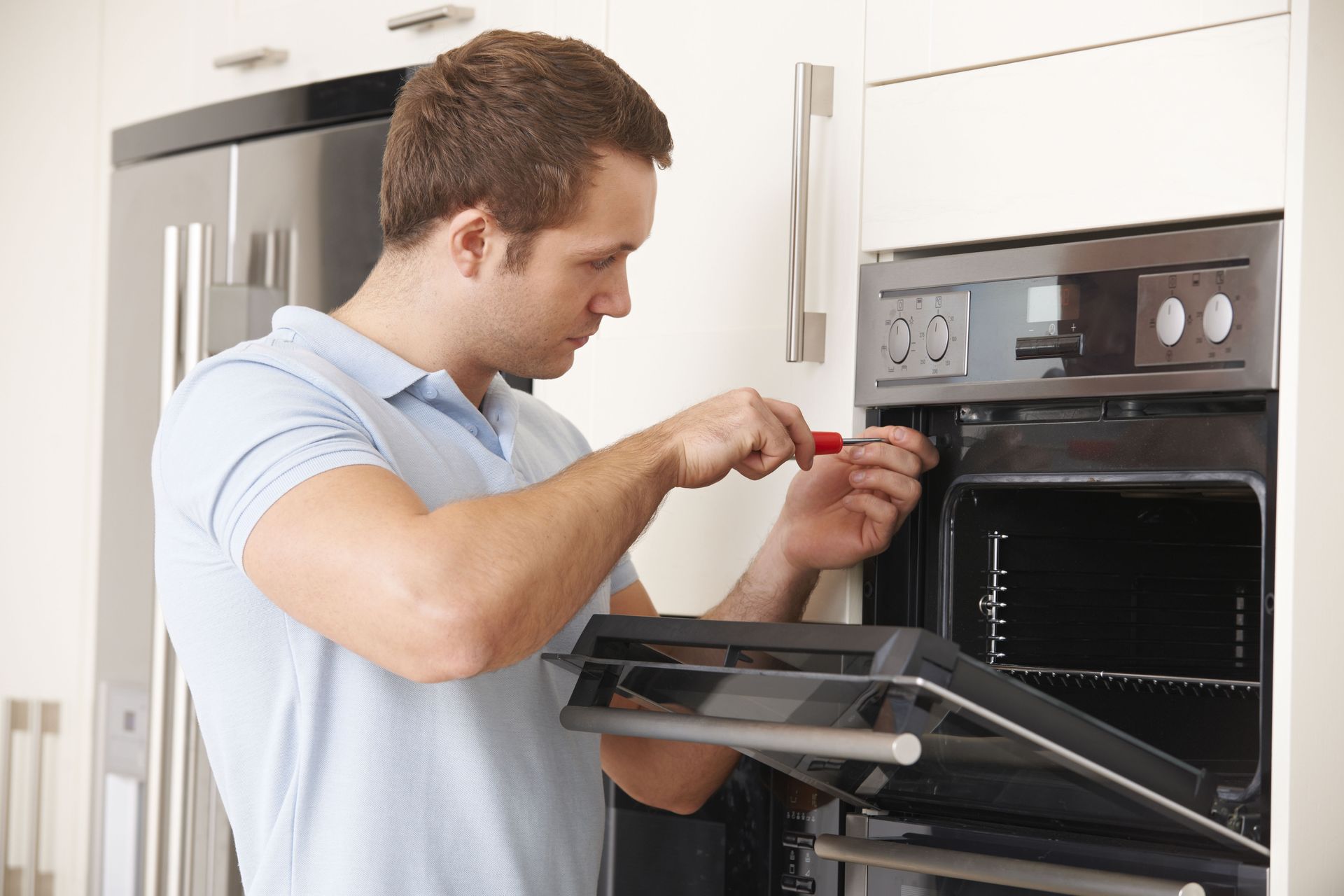
The word “used” can create hesitation, but the condition matters more than the label. A pre-owned appliance that has been inspected, cleaned, and tested is very different from an unknown unit purchased without evaluation. Buyers should look for signs that the appliance has been reviewed for function, cleanliness, and visible wear before it is placed for sale. For washers and dryers, that means attention to cycles, heating, drainage, spin performance, and overall operation. For refrigerators, ranges, microwaves, and dishwashers, it means confirming that essential functions work as intended.
Pre-owned units should still be judged by practical standards. Doors should seal correctly, controls should respond, shelves and racks should be intact, and the unit should be clean enough for immediate household use. A reliable seller should be able to explain the appliance category, general condition, and any available protection such as a warranty or return policy. These details give buyers more confidence because the purchase is not based only on appearance. A lower price is valuable, but dependable performance is what makes the purchase worthwhile.
Pre-Owned Options Can Still Fit Modern Homes
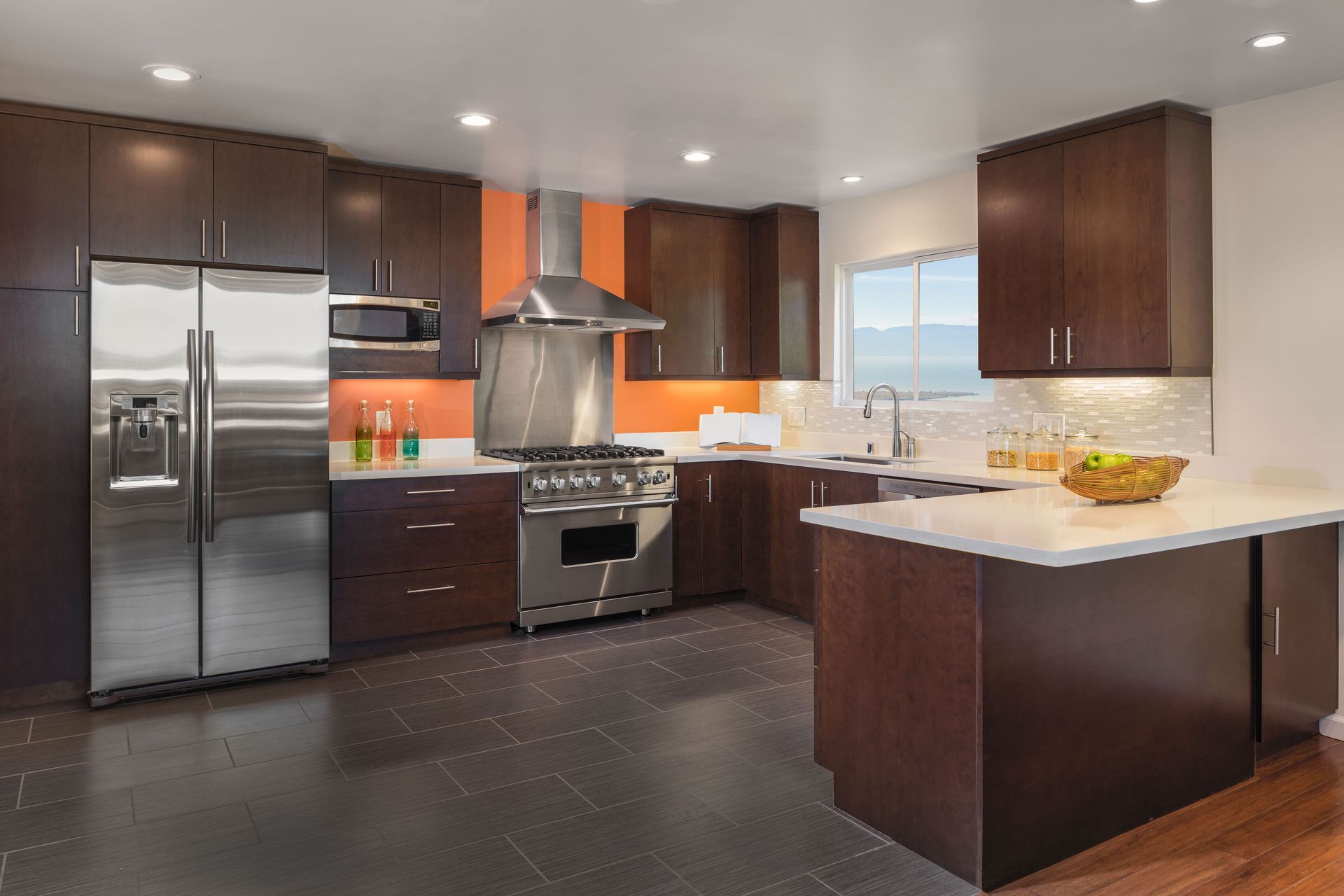
Today's homes are not all designed the same way. Some kitchens need narrow refrigerators, others need freestanding ranges, and many laundry areas require careful measurement before a washer or dryer can fit properly. A practical appliance purchase begins with knowing the space, utility connections, and daily expectations. It's important to have professionals measure width, height, depth, door swing, hallway access, and ventilation needs before choosing a unit. This is especially true for large appliances that must move through doorways or fit into built-in spaces.
The strongest case for used appliances is not only the lower cost but also the ability to find functional options across different categories. A household may need one replacement today, and another several months later, so access to refrigerators, washers, dryers, ranges, microwaves, and dishwashers in one place can simplify decision-making. Buyers can compare size, style, capacity, and condition while thinking about how each appliance will serve the home. Practical fit is about more than price. It is about choosing a unit that suits the room, the routine, and the people who rely on it.
Availability Can Reduce Household Disruption
When an essential appliance fails, waiting several weeks for a replacement can create real inconvenience. Laundry may pile up, meal preparation may become harder, and food storage may become unreliable. In those situations, available inventory becomes a major advantage. Fast pickup or delivery options can help households regain normal function sooner, especially when the appliance is needed for everyday tasks rather than a long-term remodeling plan.
Used appliances often give shoppers a more immediate path to replacing what is missing or broken. Instead of comparing long backorder timelines or limited retail models, buyers may be able to choose from appliances already available for purchase. This matters for people moving into a home, replacing a failed unit, or furnishing a property on a deadline. A practical purchase is not only about what costs less. It is also about what can restore comfort, convenience, and basic household functions quickly.
Policies Add Confidence to the Purchase
Return policies, warranty options, and financing can make a pre-owned appliance purchase feel more manageable. These protections matter because major appliances are expected to perform daily, and buyers want reassurance after bringing a unit home. A clear return window gives the household time to confirm that the appliance fits the space and meets routine needs. Warranty availability can also add security for buyers who want added protection beyond the initial purchase.
Financing can be useful when an appliance is necessary, but the timing is inconvenient. A refrigerator or washer may need to be replaced before the household has planned for the expense, and spreading out payments can make the purchase easier to handle. Discounts for veterans or government workers can also make essential equipment more accessible for certain buyers. These kinds of purchase supports do not replace the need for careful selection, but they can make the process less financially stressful.
Used appliances make sense for today's homes because they meet the practical needs of affordability, availability, function, and everyday reliability. A well-chosen refrigerator, washer, dryer, range, microwave, or dishwasher can restore comfort and convenience without requiring a brand-new retail purchase. For households comparing options, MC Appliances connects this practical approach with inspected, cleaned, gently used household appliances for kitchens and laundry rooms.